TEIKYO SDGs reportWorld-Class Social Education System
――Bottom-up of society starting from public health ――
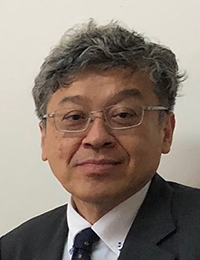
Hideki Yamamoto, Professor Department of Environmental Hygiene, Faculty of Faculty of Pharmaceutical Sciences Teikyo University
He graduated from Harvard University Graduate School of Public Health in 1994 and served as Teaching Associate, Senior Assistant Professor, and Associate Professor at Okayama University until 2011. While working, he served as Secretary General and Vice President of AMDA (Asian Medical Disaster Management Agency), participating in overseas refugee relief projects and relief efforts for the Great Hanshin-Awaji Earthquake. From 1998 to 2000, he worked on the JICA (Japan International Cooperation Agency) Zambia Primary Health Care Project, where he carried out participatory public health activities with residents of impoverished areas in Lusaka, the capital of the Republic of Zambia.
Since 2005, he has been in charge of the "Environmental Studies Education to Protect Life" and the "UNESCO Chair Program (ESD)" at the Graduate School of Graduate School Environmental Studies, Okayama University. In April 2011, he was appointed Professor of Teikyo University Public Health Graduate School with the establishment of Teikyo University. He has been involved in the Master of Public Health (MPH) program, which trains international public health professionals. Since April 2020, he has been transferred to the Faculty of Pharmaceutical Sciences Environmental Hygiene Laboratory, aiming to train pharmacists who can play an active role in the community with a public health mindset.
To summarize this report ...
Japan has achieved the world's top level "public health". The existence of "public halls" that are widespread throughout Japan contributed greatly to the process.
Japan's "public health" has made dramatic progress as "social education", which considers the issues of garbage and sewerage accumulated in the region as a whole, has permeated.
In particular, UNESCO has been developing CLC (Community Learning Center) modeled after Japanese public halls in Asian countries since the 1990s.
In modern times, it is believed that this social education and community center system has the potential to contribute significantly to the development of a sustainable society as advocated by the SDGs.
In Itabashi Ward, where Teikyo University is located, social education activities are active in the area. It is highly evaluated in the world. Around this point, the challenge to the future has begun, in which the university and the community collaborate to solve social issues.
Public health and social education
Today, the world is heavily affected by the new coronavirus infection. The battle between humankind and infectious diseases (plague) has continued from ancient times to the present. One of the prerequisites for a healthy society is the health of consumers. The important concept of "public health" lives here. For example, how to solve the problem of garbage that causes infectious diseases? How to improve the sanitary environment by water and sewage? How do you think about food to keep your mind and body healthy at home? While solving each of these issues, humankind has aimed to build a society that is resistant to infectious diseases. In particular, Japan has the world's highest level of life expectancy and low infant mortality rate, which are typical indicators of public health, and it is said that infectious diseases are less likely to cause explosive infections when compared to the rest of the world. It is also evaluated as one of the countries where public health and health care are perfect.
Extraordinary wisdom is poured into its realization. Local cooperation (resident participation) was indispensable as well as national efforts. The key is social education. Especially highly regarded in the world is the social education system that uses the "public hall" as a platform in modern Japan. After World War II, infectious diseases such as poverty, malnutrition, and tuberculosis were widespread in Japan, and the health care system was not sufficient. Under these circumstances, local residents play the roles of love education committee members, health committee members, life improvement committee members, nutrition improvement committee members, etc. in the local community, and make use of the public halls set up in the local community to improve public health through the learning of local residents. The development of various useful activities (“flies-free town development”, “life improvement campaign”, “salt reduction campaign”, etc.) in various regions has led to an increase in awareness of public health activities in the region.
A rare process in the world
It was the existence of the GHQ (Supreme Commander for the Allied Powers), which was established to implement Japan's occupation policy, that led to the enhancement of Japan's world-class social education system. They embark on educational reform in Japan to transform militaristic education into a democratic one. It will spread throughout Japan as school education for children and students, but from that time on, how to educate adults was an issue. What attracted attention was the existence of public facilities such as the public hall and the neighboring Hokan, which had been used since before the war.
In 1946 (Showa 21), Teranaka Sakuo, then Senior Manager, proposed the idea of "establishing community centers throughout Japan" (the Teranaka Plan). This idea was supported by GHQ and disseminated nationwide as a Vice-Ministerial Notice. As a result, it was codified in the 1949 Social Education Act. A social education system utilizing community centers was given legal backing. Article 25 of the Japanese Constitution also supported this initiative. While its well-known clause, "Everyone has the right to maintain a minimum standard of living that is culturally appropriate," its second clause, specifically states, "The State shall endeavor to promote and improve social welfare, social security, and public health in all aspects of life." This trend is also reflected in the fact that Article 1 of national medical qualifications (such as the Medical Practitioners Act, Dentists Act, Pharmacists Act, and Public Health midwife, and Nurses Act) always includes the phrase "promoting and promoting public health." This is an extremely rare process in global terms.
Reflections on MDGs and Challenges of SDGs
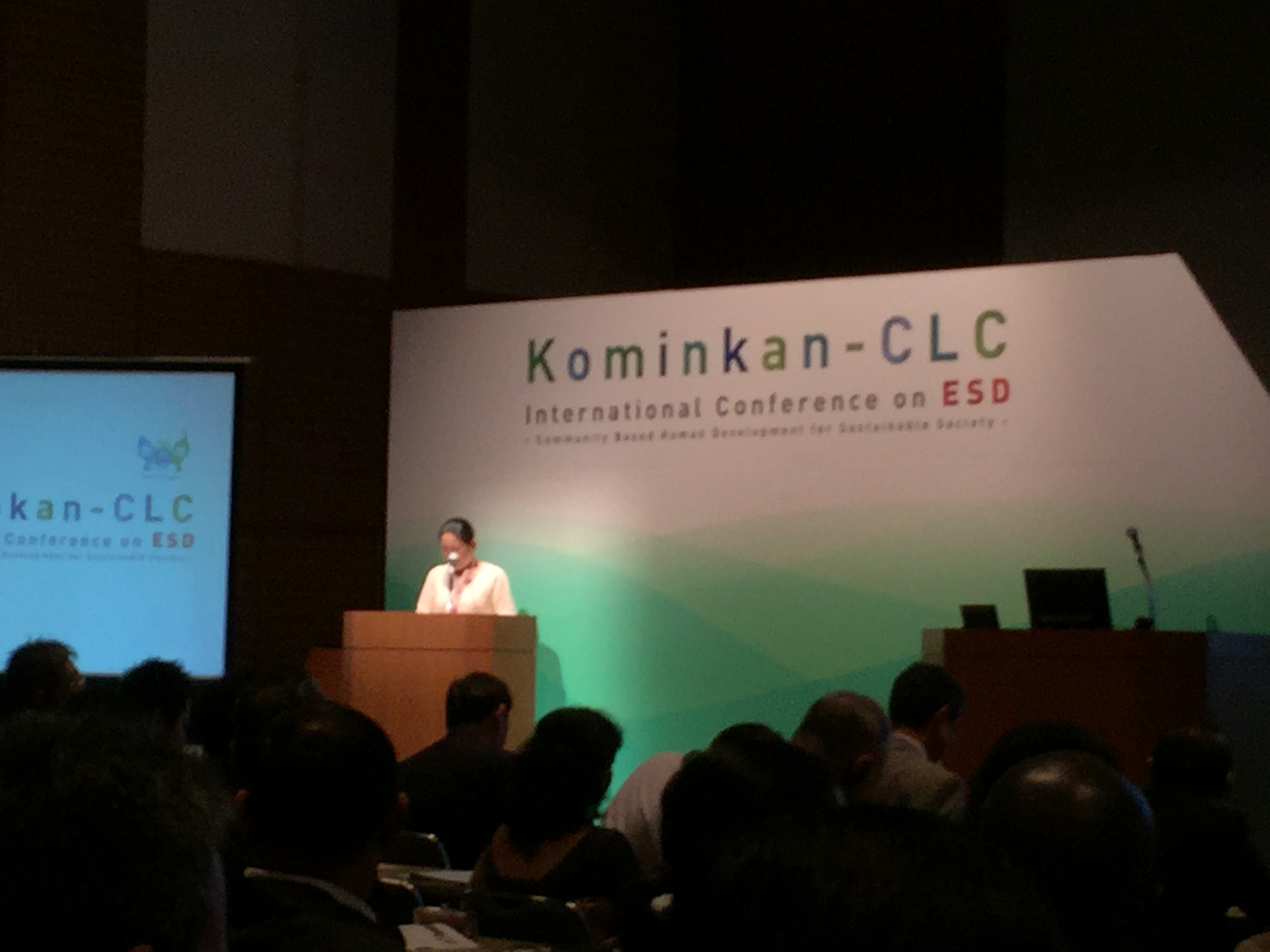
In October 2014, the UNESCO-sponsored World Public Hall Conference (official name: Public Hall for Promoting ESD-CLC International Conference) was held in Okayama City, Okayama Prefecture. This is an international conference summarizing the United Nations Decade of ESD (2005-2014), and I was involved as one of the executive committee members. ESD (Education for Sustainable Development) promotes the dissemination of education necessary for society as a whole to create a sustainable society. At that time, Okayama City, in cooperation with Okayama University, was designated as a model area of the United Nations University for its efforts to utilize public halls. UNESCO, on the other hand, has been developing CLC (Community Learning Center) modeled after Japanese public halls in Asian countries since the 1990s. CLC is a facility mainly aimed at adult literacy learning and life improvement. Health and hygiene are important living issues in developing countries, and public health and social education systems are attracting worldwide attention.
One of the important themes at this conference was the MDGs (Millennium Development Goals = the predecessor of the current SDGs). It is true that the MDGs, which started in 2000, have achieved a major economic boost, especially in developing countries, and have brought about improvements in public health, such as lower infant mortality and AIDS control. However, not a few people were born who did not benefit from it. CLC was also one of the centers of that swell. The SDGs (Sustainable Development Goals), which started with the update of MDGs in 2015, are carefully considered not to drop socially vulnerable people such as gender and minorities from the safety net. Of the 17 goals set by the SDGs, Goal 3 is "Health and Welfare for All" and Goal 4 is "Quality Education for Everyone". Building a sustainable social foundation through collaboration between social education and public health involving local communities, as represented by public health activities at public halls, is recognized around the world as an extremely important theme. ..
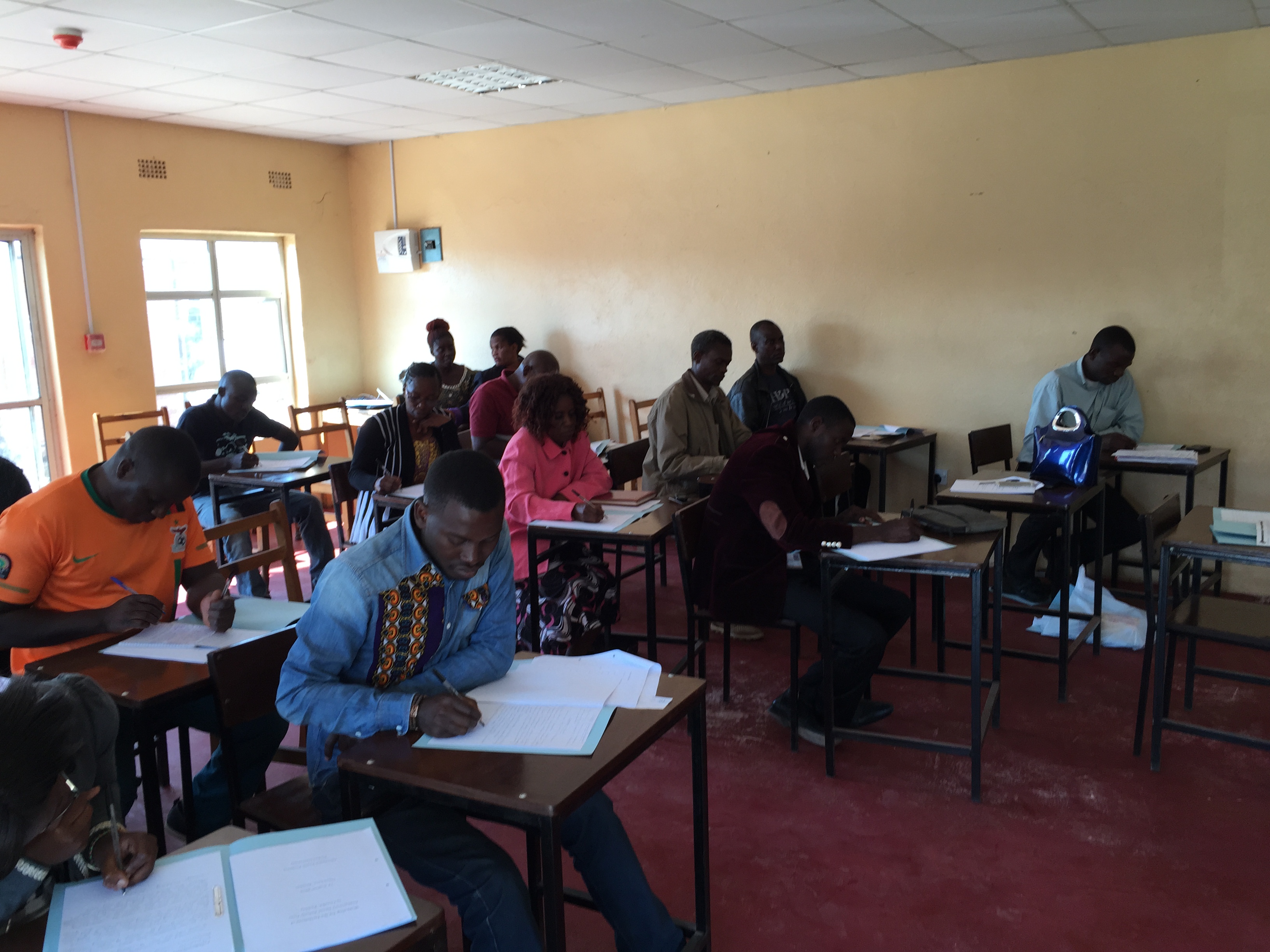
At a meeting of senior citizens in CL in Africa / Zambia / Lusaka (March 2015)
CLC International Conference in Okayama City (October 2014)
World model from Itabashi
At the World Community Center Conference, I encountered the foundation for the activities I currently practice at Teikyo University. During the conference, the case of the Itabashi Volunteer and Civic Activity Learning Promotion Center, an NPO in Itabashi Ward, was highlighted as an excellent example of Japanese practice, and I had the opportunity to meet members of a civic group. Itabashi Ward is ranked among the top 10 municipalities nationwide for SDGs, and is ranked number one among Tokyo municipalities. It has a large number of civic groups, including NPOs, and they are very active. Our university has a medical campus in Itabashi Ward, and we have a diverse range of human resources. We signed a comprehensive agreement in 2014 and have a strong relationship with the city. The Emergency Medicine Course in the Department of Department of Sport and Medical Science Faculty of Medical Technology, has already participated in local disaster prevention drills and is focusing on network building. Additionally, the laboratory of Associate Professor Yasuhito Tanma (currently at Chiba University) of Faculty of Education at Hachioji Campus provides advice as a social education expert on community center activities in neighboring Hino City, and his seminar students are participating in community center activities with local residents. As a comprehensive university, if the specialized research results of our faculty members are shared with the local community, it could lead to economic revitalization and the creation of new businesses.
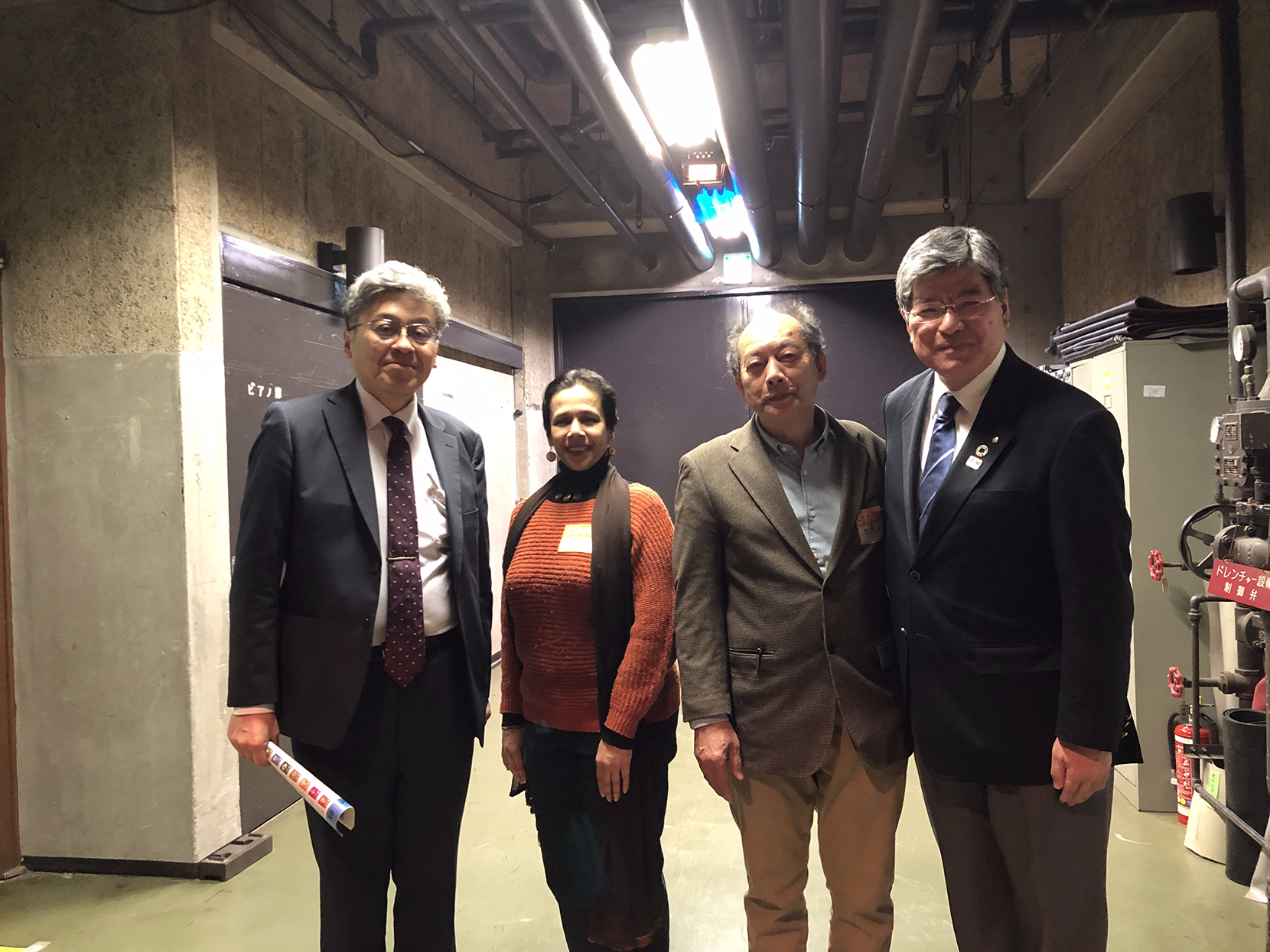
In March 2019, I participated as a organizer in the "SDGs Itabashi Gathering." A year prior to this gathering, we had been involved in an environmental improvement project for social education and activities promoted by Itabashi Ward. The gathering aimed to share reports and possibilities, and involved passionate discussions and information exchange on initiatives. Following this, in July of the same year, Teikyo University held a groundbreaking ceremony for Advanced Comprehensive Research Organization. Aiming to open in 2021, the organization will have the SDGs as its core theme, vigorously promoting the creation of a new value for the university. The fundamental stance of public health—that improving the local community ultimately improves the health of its residents—can be applied to all aspects of society. By leveraging Japan's public health and social education systems, which are attracting global attention, and working with our university to establish a new, leading example of "community-based SDGs" in the Itabashi region, I am confident that Itabashi will demonstrate its significant presence as a "Mecca for SDGs" around the world.
With NPO representative and Mayor Itabashi (far right) at "SDGs Itabashi Gathering"