
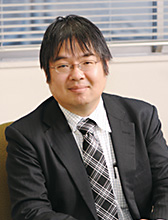
小川充洋研究室(医用・生体データ研究室)

近年、人間の生活の質の向上のために、ヒトなどの生体について研究する分野である「生体工学」や、医療分野での工学応用を研究する「医工学」などの分野が注目されています。
本研究室ではこれらの「社会性動物としての人間」および「生命としてのヒト」に関する分野を主に研究・教育を行っています。また、これら生体医工学から発展して、福祉工学やゲームサイエンスなどの、人間支援や娯楽に関する科学・技術についても取り扱っています。また、実学の観点から、「ハードウェア」、「ソフトウェア」およびそれらを統合した「組込みシステム」のいずれにおいても、学生とともに手を動かして、実社会でも通用するハード・ソフト・システムを開発・作製しています。これによって、既製品を使うだけの人材ではなく、自分が使うシステムを自身で開発できる人材を育成します。
| 教員名・所属 | 小川充洋 / データサイエンス学科 |
|---|---|
| 専門分野 | 生体医工学、医用エレクトロニクス、福祉工学、ゲームサイエンス |
| 研究テーマ |
|
| 研究キーワード | 医工連携、在宅健康管理、デジタルゲームの面白さの生体計測による評価 |
| 教員紹介URL | https://www3.med.teikyo-u.ac.jp/profile/ja.f69235c3271943b7.html |
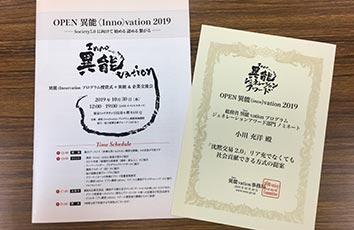
総務省が行う独創的な人向け特別枠「異能vation(いのうべーしょん)」プログラムの2019年度の「ジェネレーションアワード」部門にノミネートされました。この事業は、ICT分野において破壊的な地球規模の価値創造を生み出すために、大いなる可能性がある奇想天外で野心的なICT技術開発課題への挑戦を支援するものです。小川准教授の提案した「『沈黙交易2.0』リア充でなくても社会貢献できる方式の提案」との技術課題が、今年度のノミネート課題の一つに選出されました。今年度は、全13,187件の応募に対して、185件がノミネート対象となりました。
今回の提案は、ICT技術のサポートによって可能となる新たな社会貢献方式に関するものです。今後、本提案の社会実装に向けて研究を進めていく予定です。
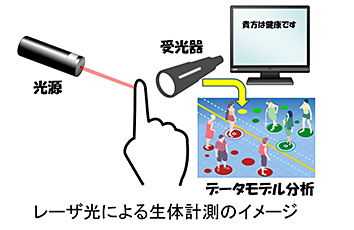
生体および生体由来物質の非侵襲・非破壊計測
ヒトの体に傷をつけずに健康や疾病に関する情報を計測するための研究を行っています。採血などを行わずに、糖尿病や高血圧症などの生活習慣病に関する情報を得ることを最終目標としています。また、血液や尿などの生体由来物質を、試薬を用いずに光を用いて非破壊的に計測するための研究も行っています。高額な消耗品である試薬を用いずに血液や尿成分を計測する技術を開発し、経済的に発展途上にある国々でも用いることができる臨床検査装置に発展させることを目標としています(日本学術振興会科学研究費の助成を受け、金沢大学と共同研究を行っています)。
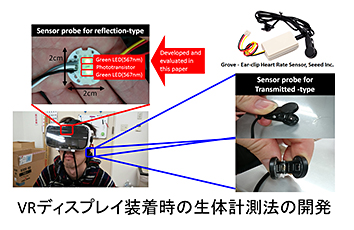
ゲームプレイ中の生体計測とその解釈法の研究
デジタルゲームプレイ中の生体計測とその解釈によって、ゲーム中にプレイヤーの身体と精神が、どのような状態にあるのかを知ることを目標にしています。また、「面白いと感じられるゲームプレイ中」の生体情報を分析することによって、「ゲームの面白さ」を、科学的に明らかにすることにも挑戦しています。これら研究によって、ゲームデザイナーが「面白いゲーム」を作るための手助けをするシステムの開発をめざしています(日本学術振興会科学研究費の助成を受け、研究を行っています)。
| 題名 | 雑誌名 | 研究室 | 内容 |
|---|---|---|---|
| An Optical System for Monitoring Urine Components for Home Healthcare - Accuracy Assessment Using Urine from Multiple Diabetic Subjects | Proceedings of 39th Annual International Conference of the IEEE Engineering in Medicine and Biology Society | 小川充洋研究室 | 詳細 |
| Physiological Measurement in Virtual Reality Contents Watching; Photoplethysmograph Embedded in 3D VR GamingHeadset | Proceedings of 39th Annual International Conference of the IEEE Engineering in Medicine and Biology Society | 小川充洋研究室 | 詳細 |
| Physiological Measurements on a Gaming Virtual Reality Headset Using Photoplethysmography; A preliminary attempt at incorporating physiological measurement with gaming | Proceedings of the 2017 IEEE Region 10 Conference (TENCON) 小川充洋研 | 小川充洋研究室 | 詳細 |
| 題名 | 研究室 | 内容 |
|---|---|---|
| Development of an Optical System for Multi-Component Analysis of Urine for Home Healthcare -Reduction of the Number of Wavelength for Concentration Estimation- | 小川充洋研究室 | 詳細 |
| 演題名 | 学会名 | 研究室 | 内容 |
|---|---|---|---|
| Nudge-Oriented Physiological Measurements Using Game Devices | U-helathcare 2019: Engineering in Circadian Rhythm and Ubiquitous Healthcare | 小川充洋研究室 | 詳細 |
| 演題名 | 学会名 | 研究室 | 内容 |
|---|---|---|---|
| Incorporating physiological measurement with gaming. As you know, it is easier to play digital game daily than to measure your blood pressure daily. A proposal of a novel future outlook of healthcare with digital gaming; "incorporating physiological measurement with gaming." | 8th Games for Health Europe Conference (Games for Health Europe 2018) | 小川充洋 研究室 | 詳細 |
| Digital game devices using for basis of physiological measurements | 日本生体医工学会大会 | 小川充洋 研究室 | 詳細 |
| Digital game devices using for basis of physiological measurements | 2ND DIGITAL HEALTH & WELLBEING CONFERENCE | 小川充洋 研究室 | 詳細 |
| ナラティブ的思考の一解釈に注目したトレーディングカードゲーム要素を用いてゲーミファイするプログラミング支援の試み(第3報) | 日本デジタルゲーム学会 夏季研究発表大会 | 小川充洋 研究室 | 詳細 |
| ゲームデバイス埋め込み型生体計測によるゲームプレイ時の脈波伝搬時間計測法開発の試み | 日本デジタルゲーム学会 夏季研究発表大会 | 小川充洋 研究室 | 詳細 |
| デジタルゲームと生体計測を融合した健康管理方式の提案 | 黒潮カンファレンス | 小川充洋 研究室 | 詳細 |
| デジタルゲームデバイス融合型生体計測の開発とその未来型健康管理への応用の提案 | 日本デジタルゲーム学会第9回年次大会 | 小川充洋 研究室 | 詳細 |
| デジタルゲームプレイ中に使用可能な生体計測装置設計および製造技術の公開に関する検討 | 日本デジタルゲーム学会第9回年次大会 | 小川充洋 研究室 | 詳細 |
| トレーディングカードゲーム要素に注目したプログラミング技術支援修得環境の開発 | 日本デジタルゲーム学会第9回年次大会 | 小川充洋 研究室 | 詳細 |
| 【学術会議招待講演】Physiological measurement in living spaces combining with digital games. | 2018 International Conference for Top and Emerging Computer Scientists (IC-TECS 2018) | 小川充洋 研究室 | 詳細 |
| 演題名 | 学会名 | 研究室 | 内容 |
|---|---|---|---|
| VR環境下における光電脈波の無意識計測の試み A novel attempt for Spontaneous PPG measurement for 3D-VR viewing | 第56回日本生体医工学会大会 | 小川充洋研究室 | 詳細 |
| Physiological Measurement in Virtual Reality Contents Watching; Photoplethysmograph Embedded in 3D VR Gaming Headset | The 39th Annual International Conference of the IEEE Engineering in Medicine and Biology Society | 小川充洋研究室 | |
| VR用ヘッドセット埋め込み型生体計測を目指した前額脈波計測によるゲーム中の心拍変動計測および自律神経指標推定の試み | 日本デジタルゲーム学会2017年夏季研究発表大会 | 小川充洋研究室 | 詳細 |
| ナラティブ的思考の一解釈に注目したトレーディングカードゲーム要素を用いてゲーミファイするプログラミング支援の試み | 日本デジタルゲーム学会2017年夏季研究発表大会 | 小川充洋研究室 | 詳細 |
| 生体計測とデジタルゲーム | 日本デジタルゲーム学会2017年夏季研究発表大会 | 小川充洋研究室 | 詳細 |
| 前額部光電脈波計測によるデジタルゲームプレイ中の心拍変動計測の試み | 電子情報通信学会・MEとバイオサイバネティックス研究会 | 小川充洋研究室 | 詳細 |
| Physiological Measurements on a Gaming Virtual Reality Headset Using Photoplethysmography; A preliminary attempt at incorporating physiological measurement with gaming | The 2017 IEEE Region 10 Conference (TENCON2017) | 小川充洋研究室 | 詳細 |
| デジタルゲームプレイ中の非侵襲生体計測による小ストレスへの生体反応情報計測と解釈 | 第2回黒潮カンファレンス | 小川充洋 研究室 | 詳細 |
| 「遊び」の観点からのロボット競技に関する考察の試み ―ゲーミフィケーションとも関連して― | 第2回ロボット技術教育シンポジウム | 小川充洋 研究室 | 詳細 |
| 前額光電脈波計測によるゲーム中の心拍変動計測および自律神経指標解釈の試み | 日本デジタルゲーム学会 第8回年次大会 | 小川充洋 研究室 | 詳細 |
| 生体計測基盤としてのゲームデバイス利用の試み | 日本デジタルゲーム学会 第8回年次大会 | 小川充洋 研究室 | 詳細 |
| ナラティブ的思考の一解釈に注目したトレーディングカードゲーム要素を用いてゲーミファイするプログラミング支援の試み(第2報) | 日本デジタルゲーム学会 第8回年次大会 | 小川充洋 研究室 | 詳細 |
| ArduinoとScilabによる心音聴音とセグメンテーション | 電子情報通信学会・MEとバイオサイバネティックス研究会 | 小川充洋 研究室 | 詳細 |
| 演題名 | 学会名 | 研究室 | 内容 |
|---|---|---|---|
| 色覚障がい者の日常生活支援のためのスマートフォンアプリケーションの開発の試み Daily Living Supporting Smartphone Application for Color-blindness to Match Pair of Socks with Different Colors | 第55回日本生体医工学会大会 | 小川充洋研究室 | 詳細 |
| ゲームプレイ中の生体情報計測のためのワークショップの試み | 日本デジタルゲーム学会第5回夏季研究発表大会 | 小川充洋研究室 | 詳細 |
| ゲームデバイスと親和性の高い生体計測の試み | 日本デジタルゲーム学会2016年度年次大会 | 小川充洋研究室 | 詳細 |