Teikyo University Research Institute of Calligraphy which has a system in place to focus on the study of Japanese calligraphy
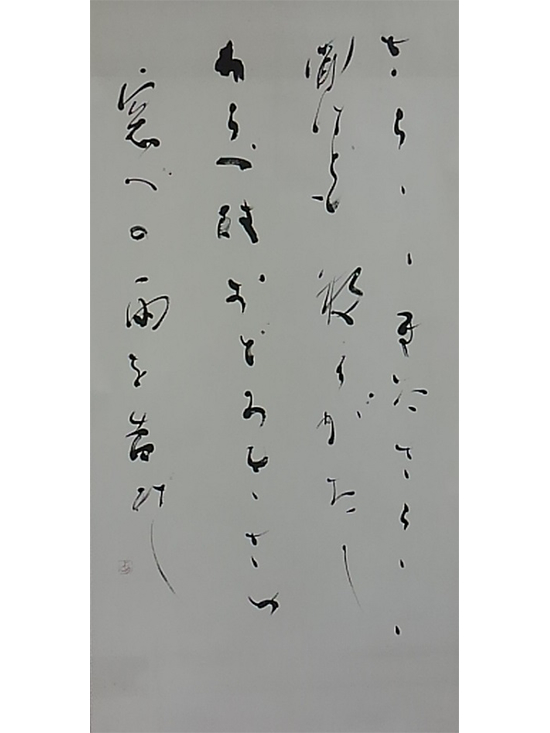
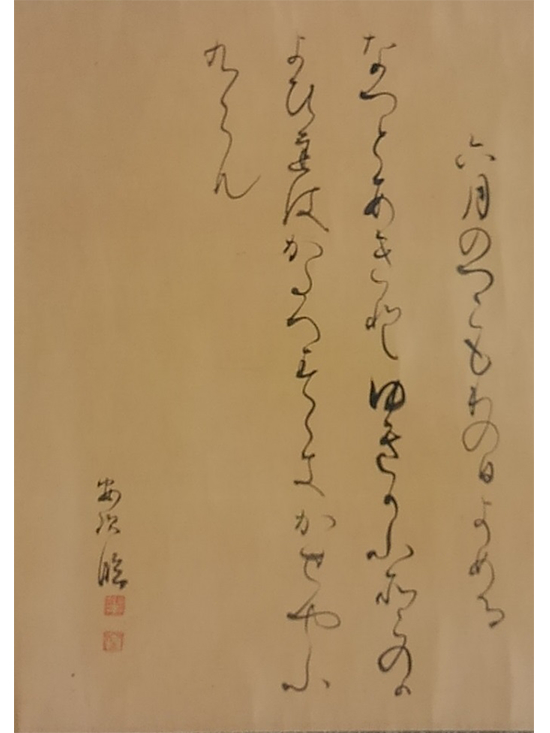
In order to understand Japanese calligraphy culture, inherit calligraphy techniques, and acquire the ability as a leader, we have practiced calligraphy education using many valuable book materials. Here are some of these precious works.
Collection / storage works
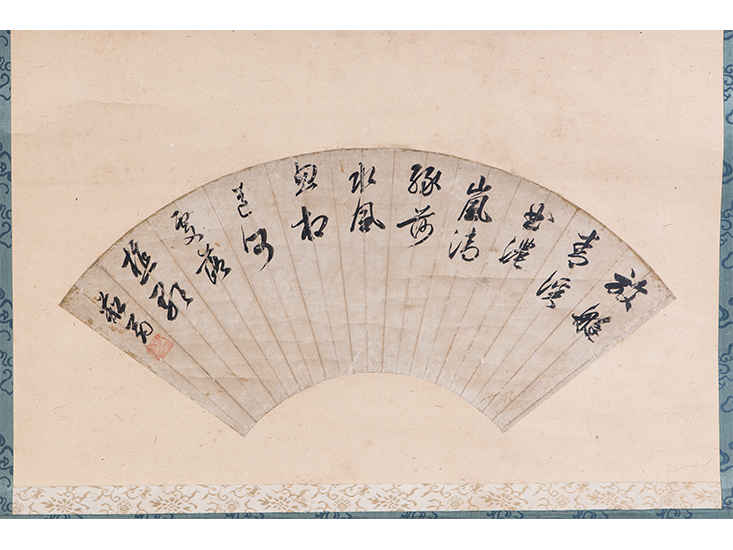
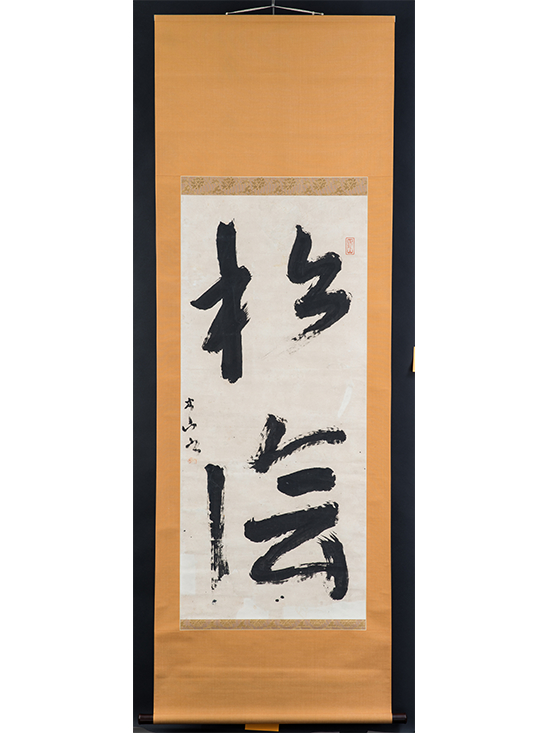
Here are some of the valuable works that have been donated to this institute.
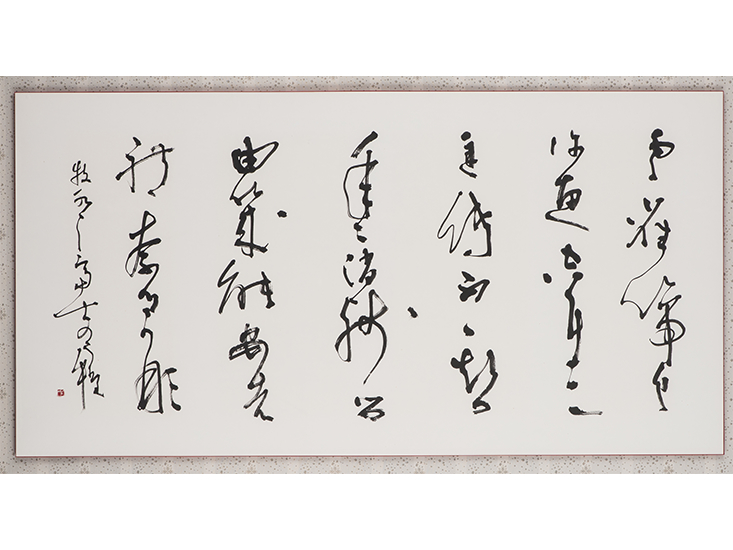
Wujue Nukina Kaioku (1778-863)
Shoin Beizan Miwata (1821-1908)
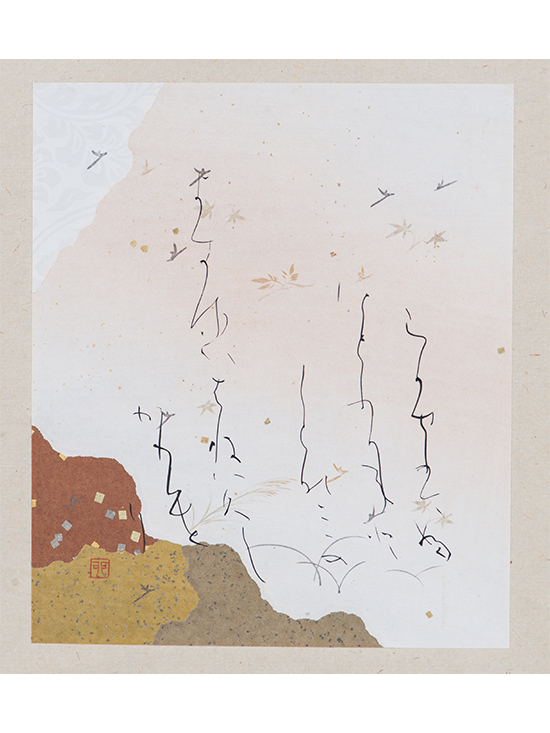
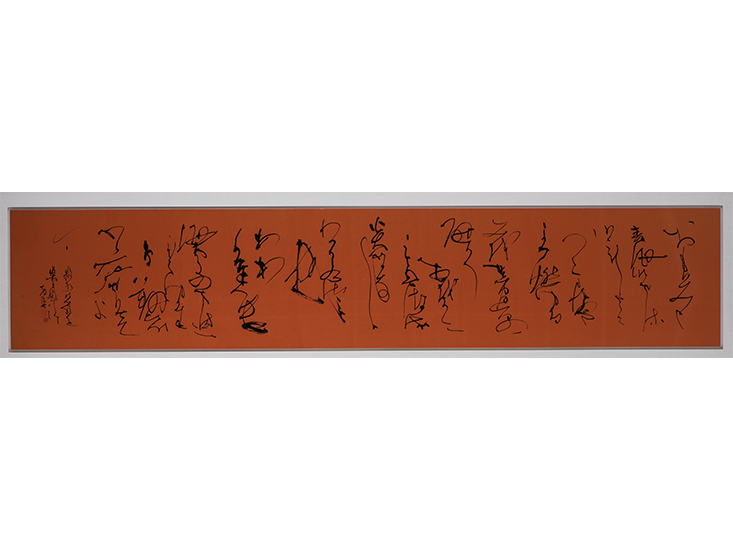
"Autumn cold" 1964 Hibino Goho (1901-985) The 7th Contemporary Calligraphy Twenty People Exhibition
Teikyo University Research Institute of Calligraphy has received a donation of approximately 200 precious works from calligrapher Enokura Koson, including works that were exhibited at public exhibitions such as the Nitten and Yomiuri Calligraphy Exhibition. The Calligraphy Institute will use these works for future calligraphy education and social education.
Profile introduction
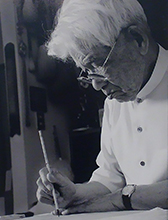
Koson Enokura Calligrapher. Born in Hyogo prefecture in 1923 (Taisho 12). His real name is Hiroshi. Studied under Ando Seiku. Received numerous awards such as the Japan Art Academy Prize and the Japan Fine Arts Exhibition Minister of Education Award. Member of Japan Fine Arts Exhibition and Chairman of Calligraphy Incense Society.
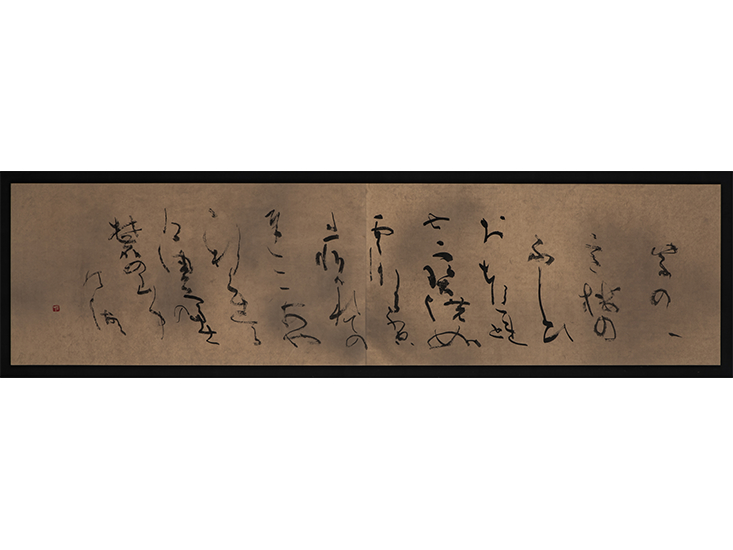
"Purple" 1974 (6th Japan Fine Arts Exhibition)
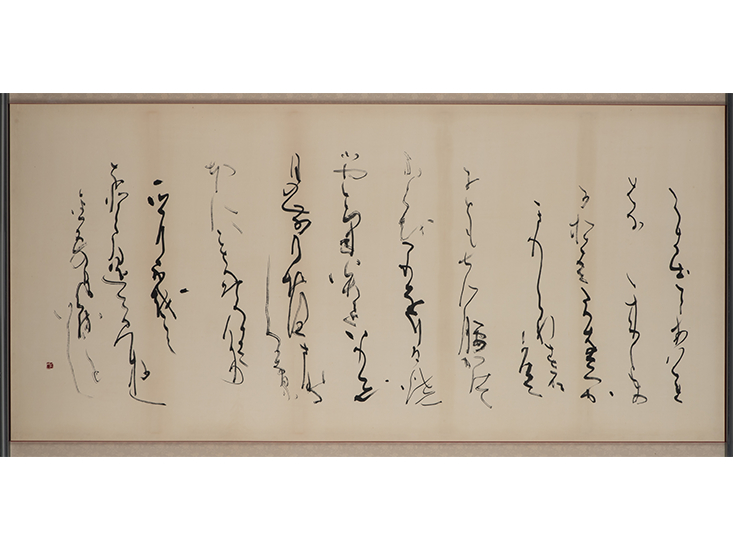
Sea light 1983 (15th Japan Fine Arts Exhibition) Japan Fine Arts Exhibition Member Award Winner
Summer Fuji 1993 (25th Japan Fine Arts Exhibition)
flame 2015 (32nd Yomiuri Calligraphy Exhibition)
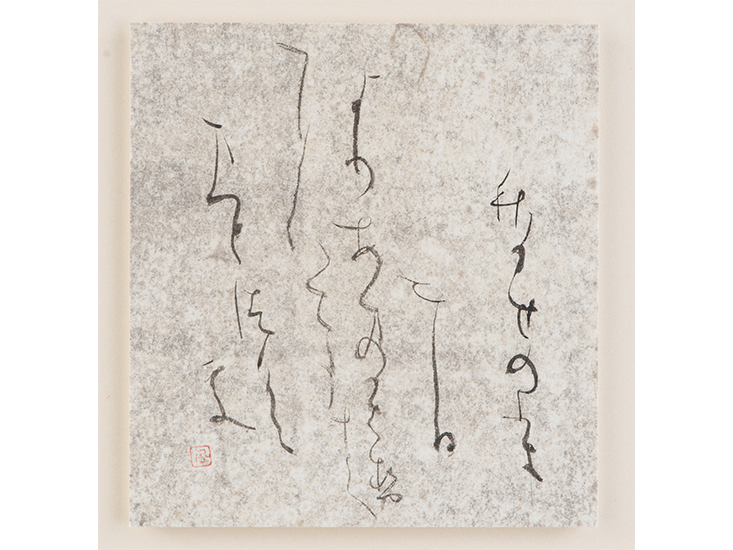
Yasuji Morita Collection
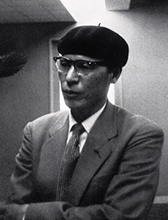
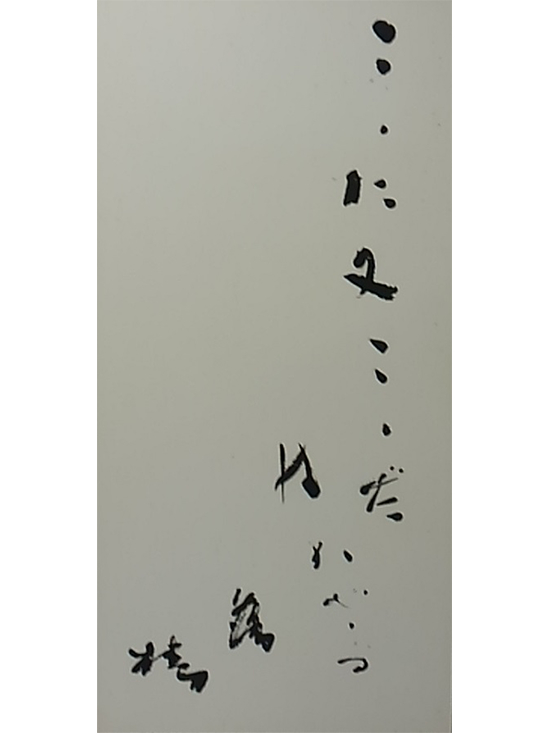
Yasuji Morita (1912-1959) is known for his work "Kaze no Matasaburo" (1942), which has been featured in many high school calligraphy textbooks and is considered a monumental work of mixed kanji and kana in the history of modern calligraphy. Teikyo University Research Institute of Calligraphy has received a valuable work donated by Yasuji Morita's family member, Masako Kawai, and is currently conducting research and study on it. The results of this research will be widely published.
Profile introduction
Yasuji Morita 1912-1959 Calligrapher. In his youth, he learned Kana from Oki Rokuho and Seiku Ando, and later learned Chinese characters and modern expressions from Sir Teshima and Sokyu Ueda. In the post-war Kana Kana mixed book, he presented a work that blended high expressiveness with traditional expressions, and had a great influence on posterity as a pioneer of Kana Kana mixed books.