
Topics

  • Social/Community Engagement

November 8, 2024

Assistant Professor Satoshi Yatsu exhibited at Bio Japan 2024

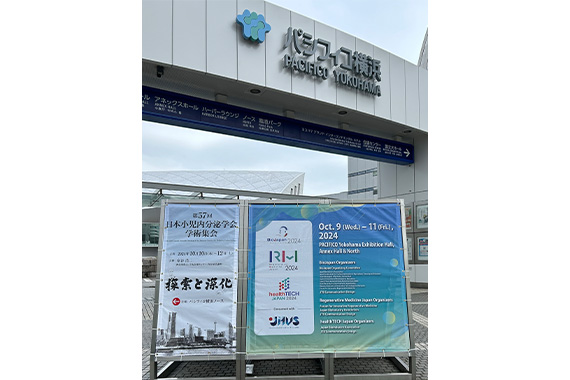
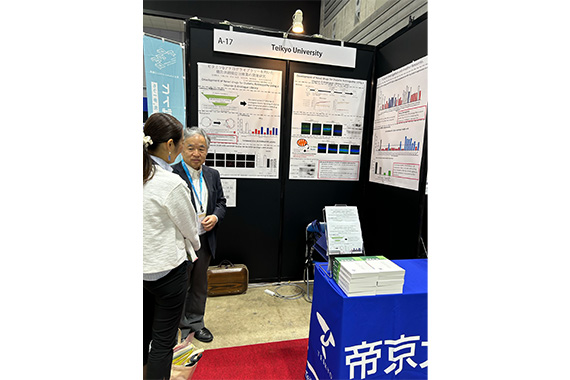
Assistant Professor Yatsu Satoshi of the Faculty Faculty of Pharmaceutical Sciences at Teikyo Technology Transfer Center exhibited his research at Bio Japan 2024, which was held at Pacifico Yokohama (Yokohama City, Kanagawa Prefecture) from Wednesday, October 9th to Friday, October 11th, 2024.
Bio Japan is an event aimed at promoting business matching in a wide range of bioindustries, including drug discovery, healthcare, and energy, and promoting collaborative research and commercialization among many domestic and international companies and research institutes. Many companies and universities from around the world participated, and the total number of visitors over the three days reached 18,003.
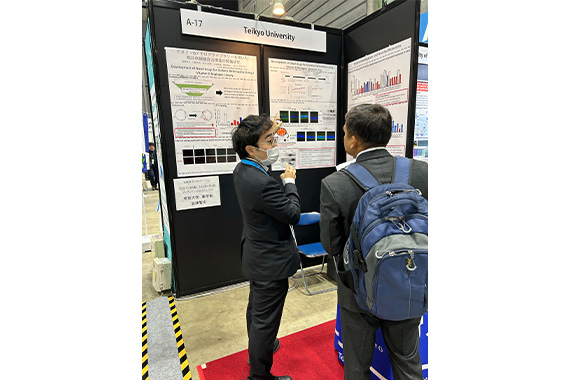
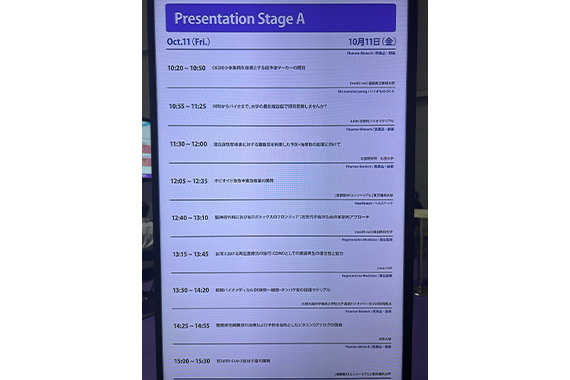
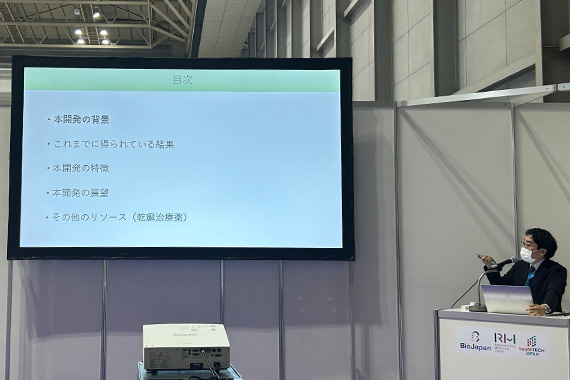
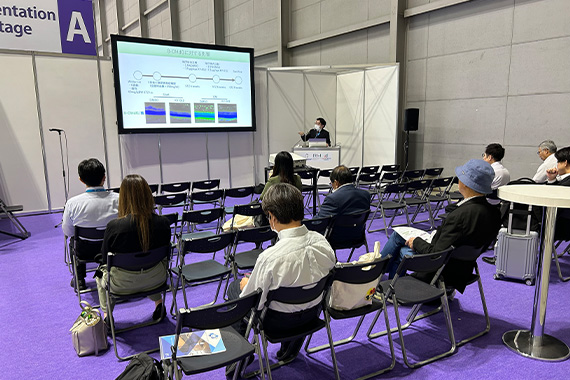
At this exhibition, Assistant Professor Yatsu introduced "Research into the development of a drug for treating diabetic retinopathy using a vitamin D analog library." Many visitors came every day, and on the final day he gave a presentation, which led to an active exchange of opinions with a variety of people from companies and research institutions.

Assistant Professor Yatsu's research has revealed that vitamin D analogs may be effective as preventative and therapeutic drugs for diabetic retinopathy.
Diabetic retinopathy is one of the three major complications of diabetes, and in Japan, approximately 3,000 people become blind due to diabetic retinopathy each year. Diabetic retinopathy continues to progress if blood sugar levels are poorly controlled for a prolonged period of time, and as the disease progresses, treatment becomes more difficult. Therefore, the development of a drug that can suppress its progression in the early stages is eagerly awaited. Furthermore, in recent years, it has been reported that the worsening of diabetic retinopathy is associated with vitamin D deficiency. Therefore, Assistant Professor Yatsu is currently conducting research to develop vitamin D analogs as preventive and therapeutic drugs for diabetic retinopathy. Compared to existing drugs, this drug may be effective in preventing and treating the disease in the early stages, and there is thought to be a high social need for it.
A patent application is currently pending for this research, and the goal is to develop it into an oral medication or eye drop that will be easy to use for both patients and medical professionals.

Going forward, our university will continue to actively give back to society the intellectual property it holds and support the research activities of researchers.

To the topic List